From the drawing board
Technical notes written by the engineers who issue the work, what we have learned about tolerancing, shop drawings, machining and taking a concept to production.
What is GD&T? Geometric dimensioning and tolerancing explained simply
GD&T is the language engineers use to say how much a part's shape, orientation and position can vary. Here is what it is, how to read it, and when it is worth using.
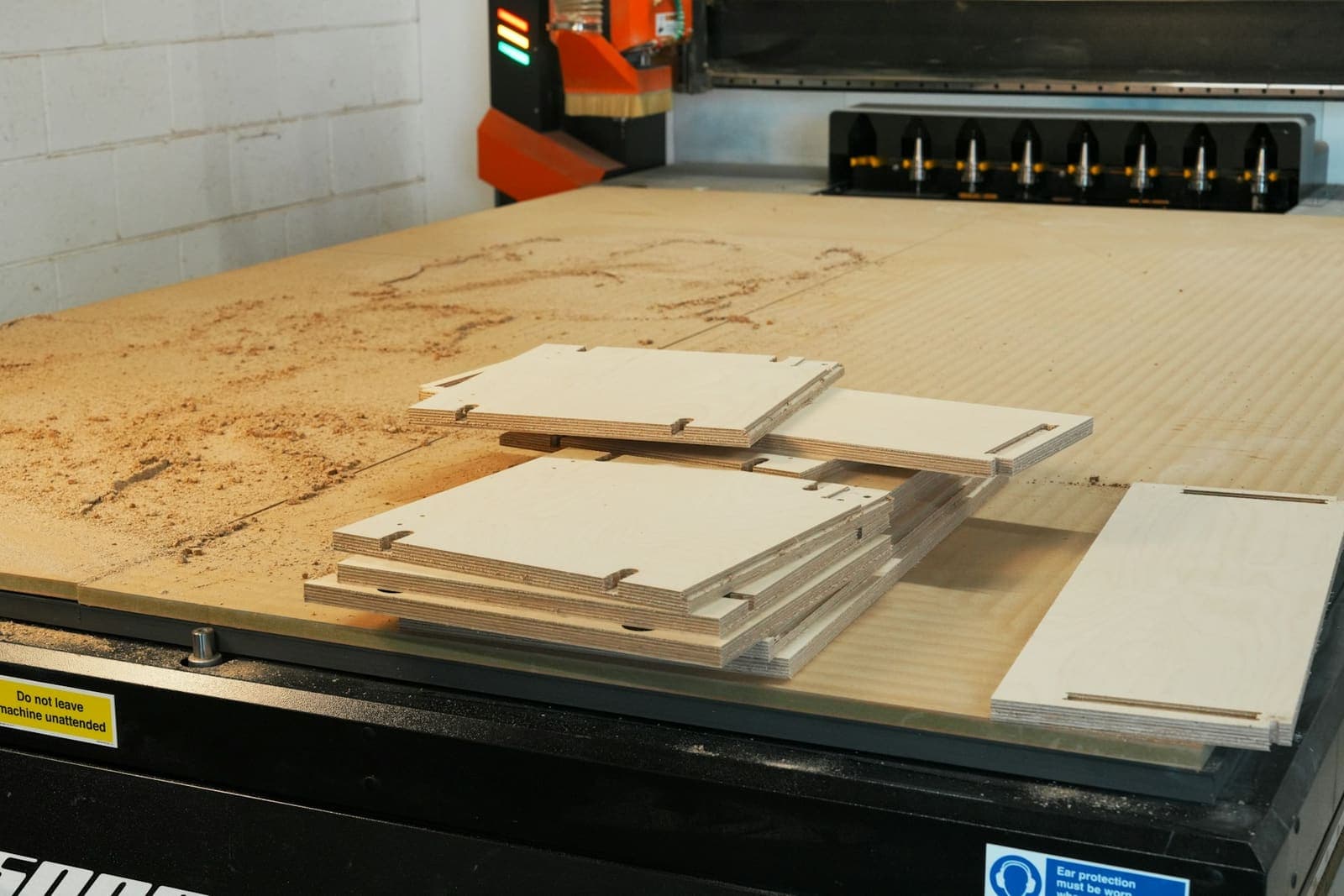
Many joinery workshops still draw in 2D and program the CNC separately. Modelling in 3D links the design, the cut list and the machine. Here are nine benefits, and how to start.

There is no single price for CAD drafting, because no two drawings take the same work. Here is what actually drives the cost, how pricing models compare, and how to get a quote you can trust.
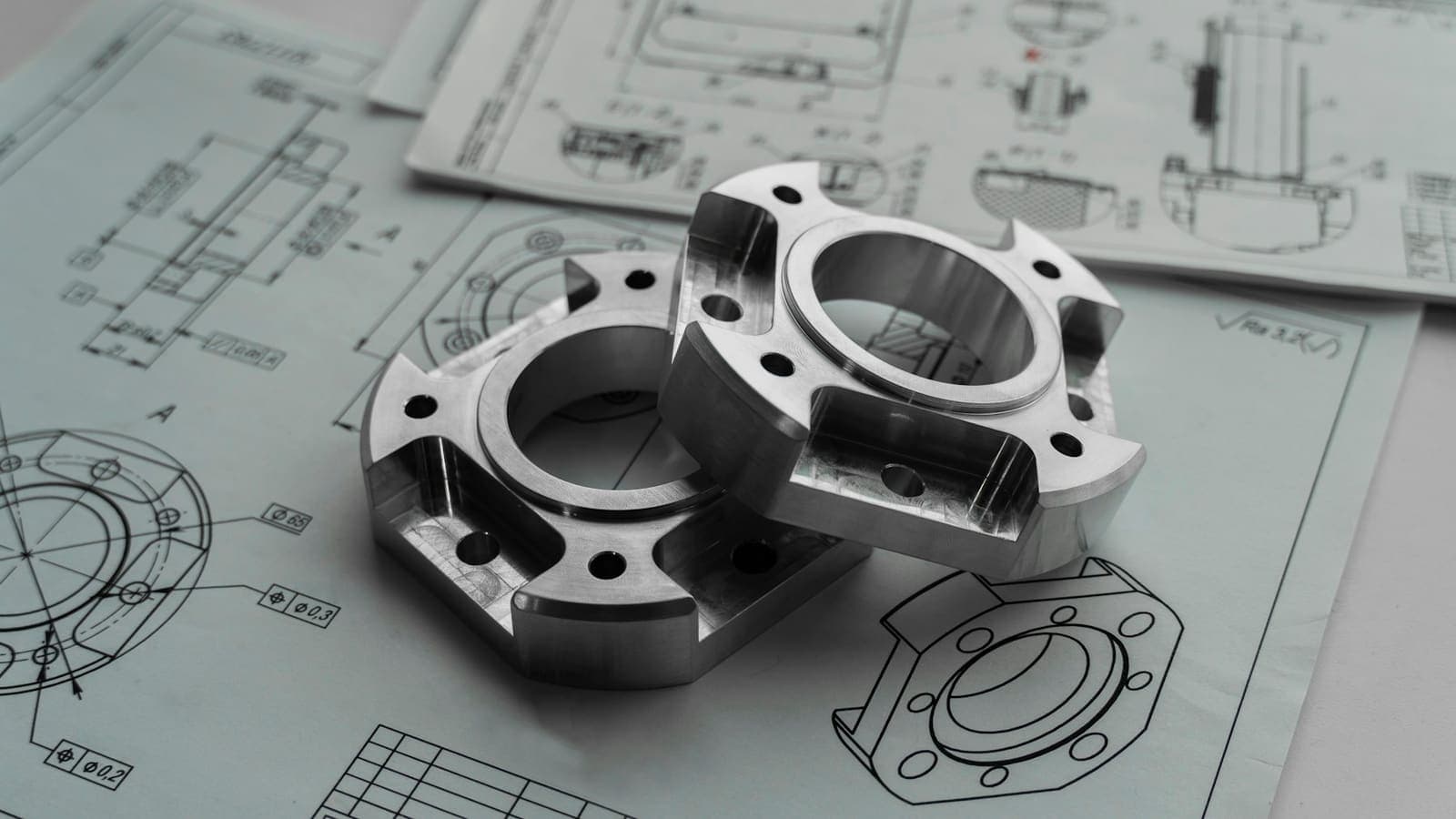
Outsourcing CAD drafting is not only about cost. Done well, it gives you capacity on demand, faster turnaround and better drawings. Here are the ten benefits that matter most.
India is one of the most common places for manufacturers in Europe, the USA and Australia to outsource engineering design. Here is why, the real risks, and how to choose well.
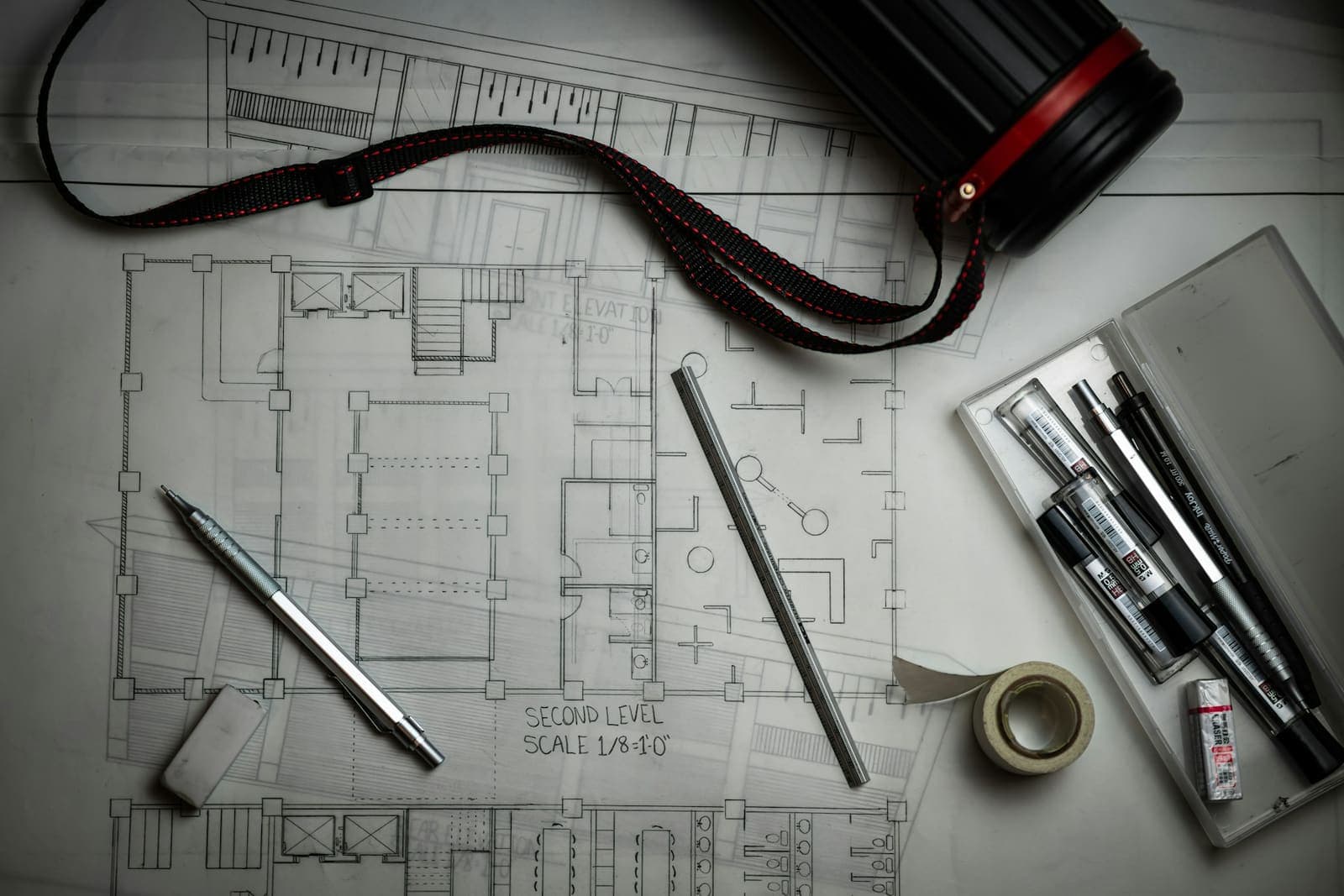
The right CAD outsourcing partner saves you time for years. The wrong one costs you rework. These ten questions separate the two before you send a single file.
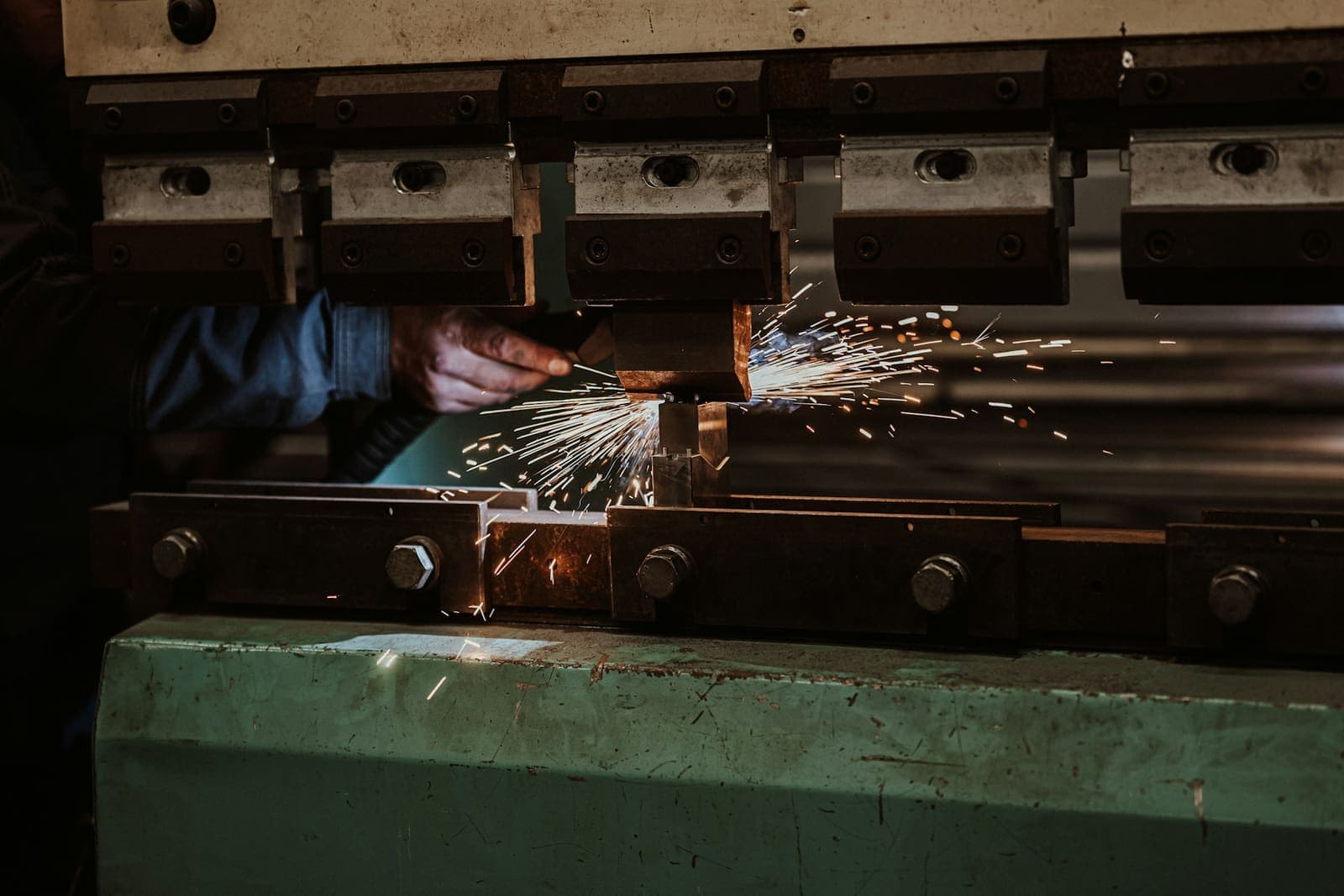
Most sheet metal problems on the shop floor start as small decisions in CAD. These are the ten mistakes we correct most often, with the simple rule that fixes each one.
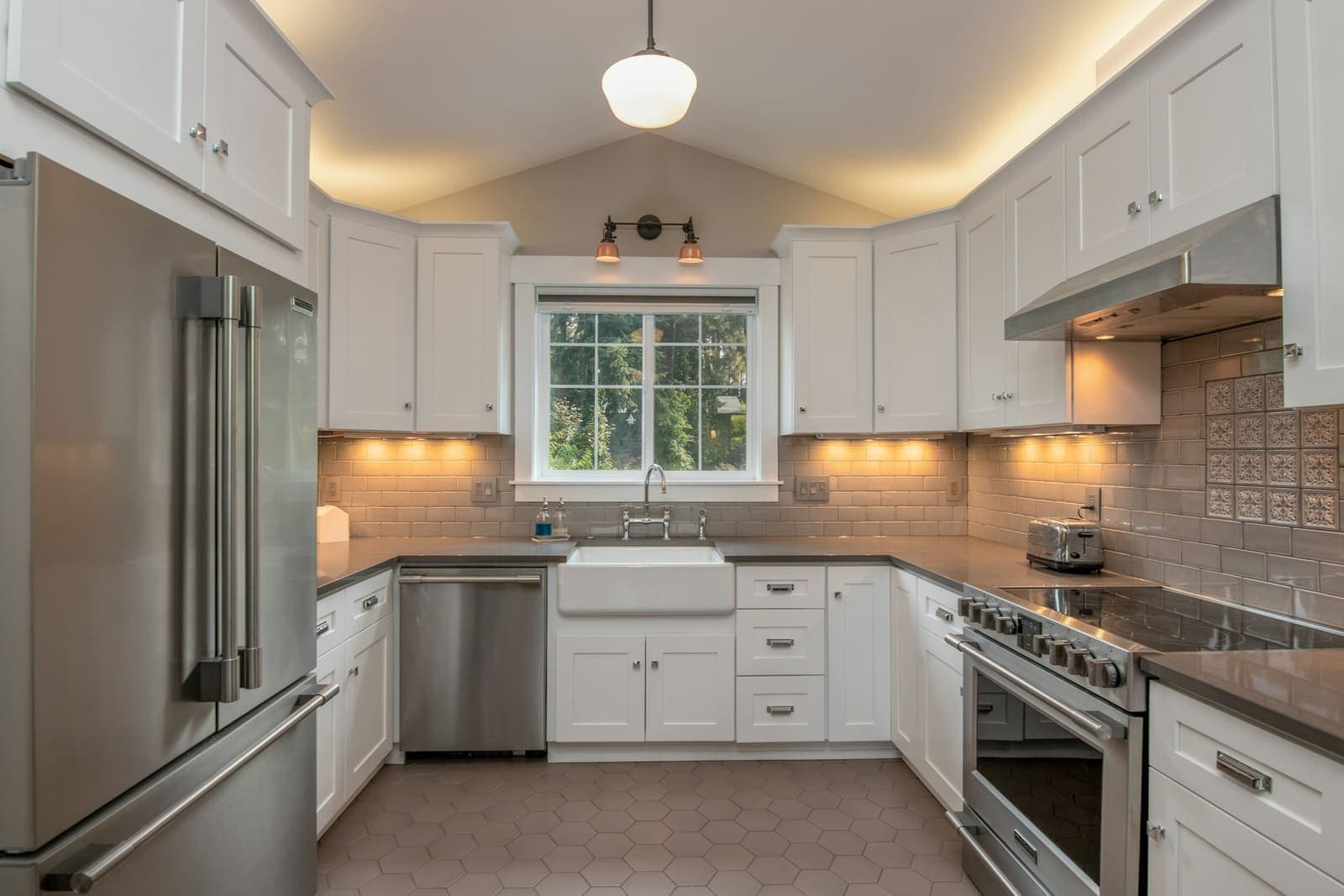
Shop drawings turn a designer's intent into instructions a workshop can build from. Here is what they are, what they include, and how they differ from design drawings.
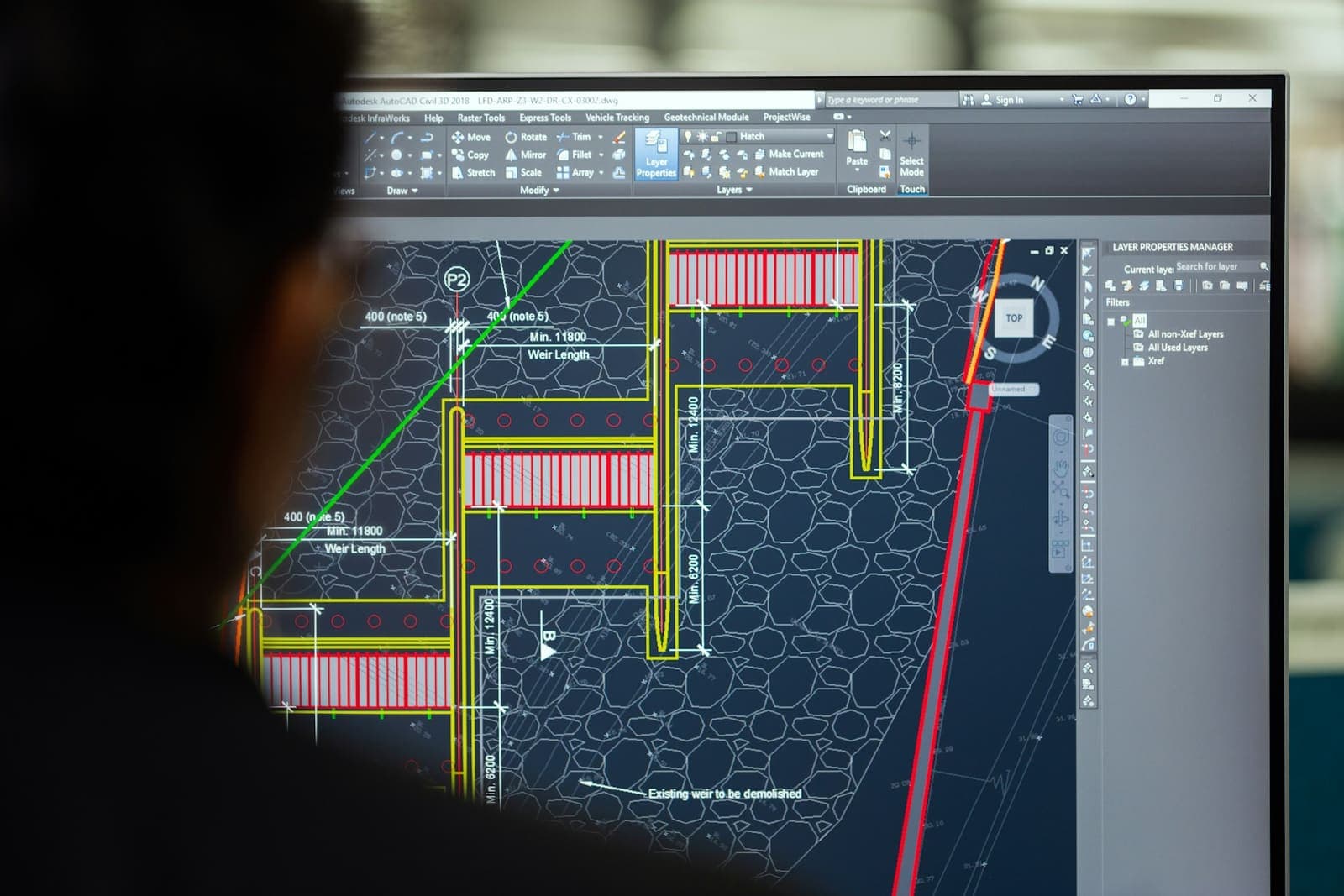
2D drawings and 3D models do different jobs. Here is a plain comparison of cost, speed and use, and how to decide which your project needs, or whether you need both.
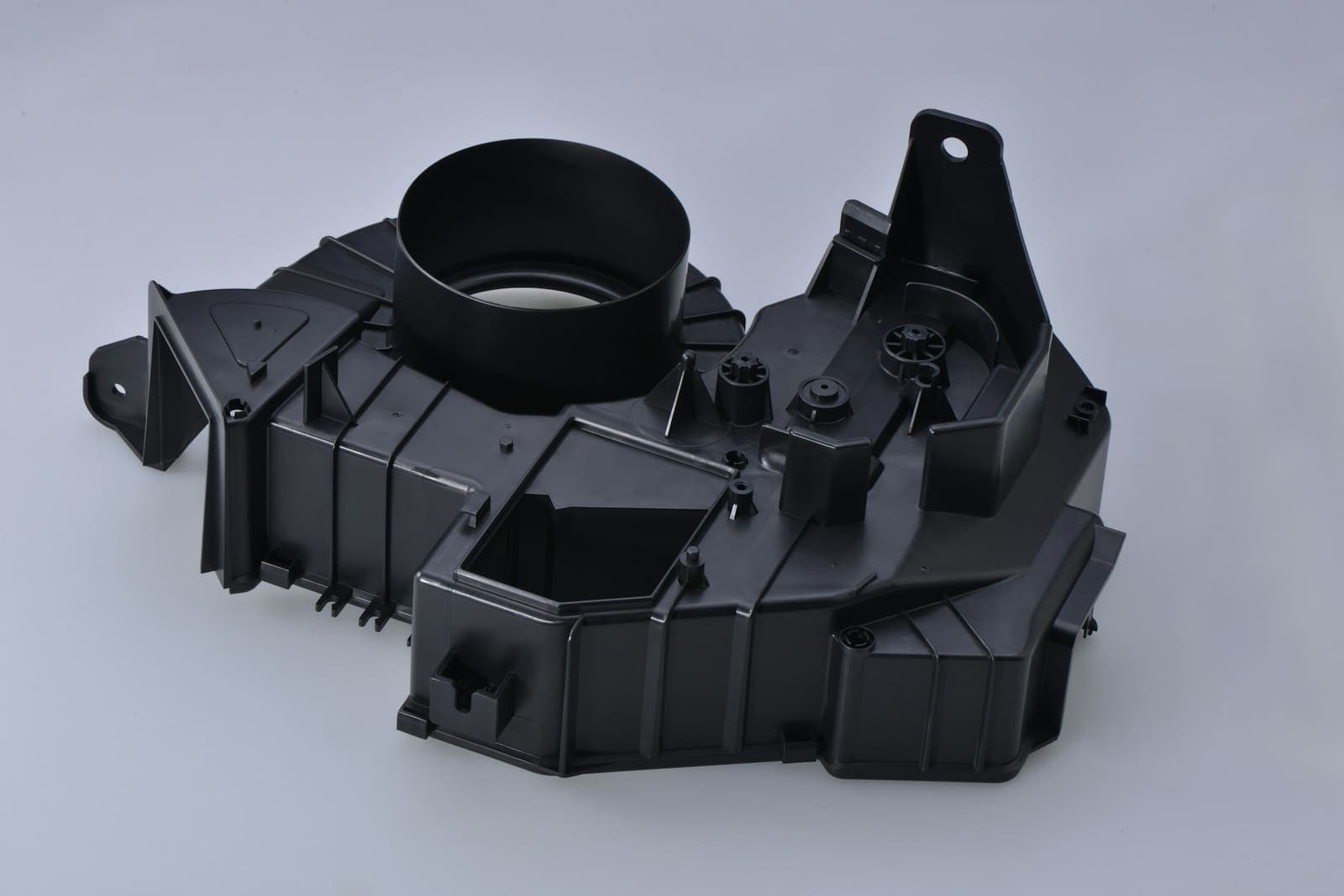
Design for manufacturing means designing a product so it is easy and affordable to make. Here are the eight benefits, and simple ways to apply DFM on your next project.
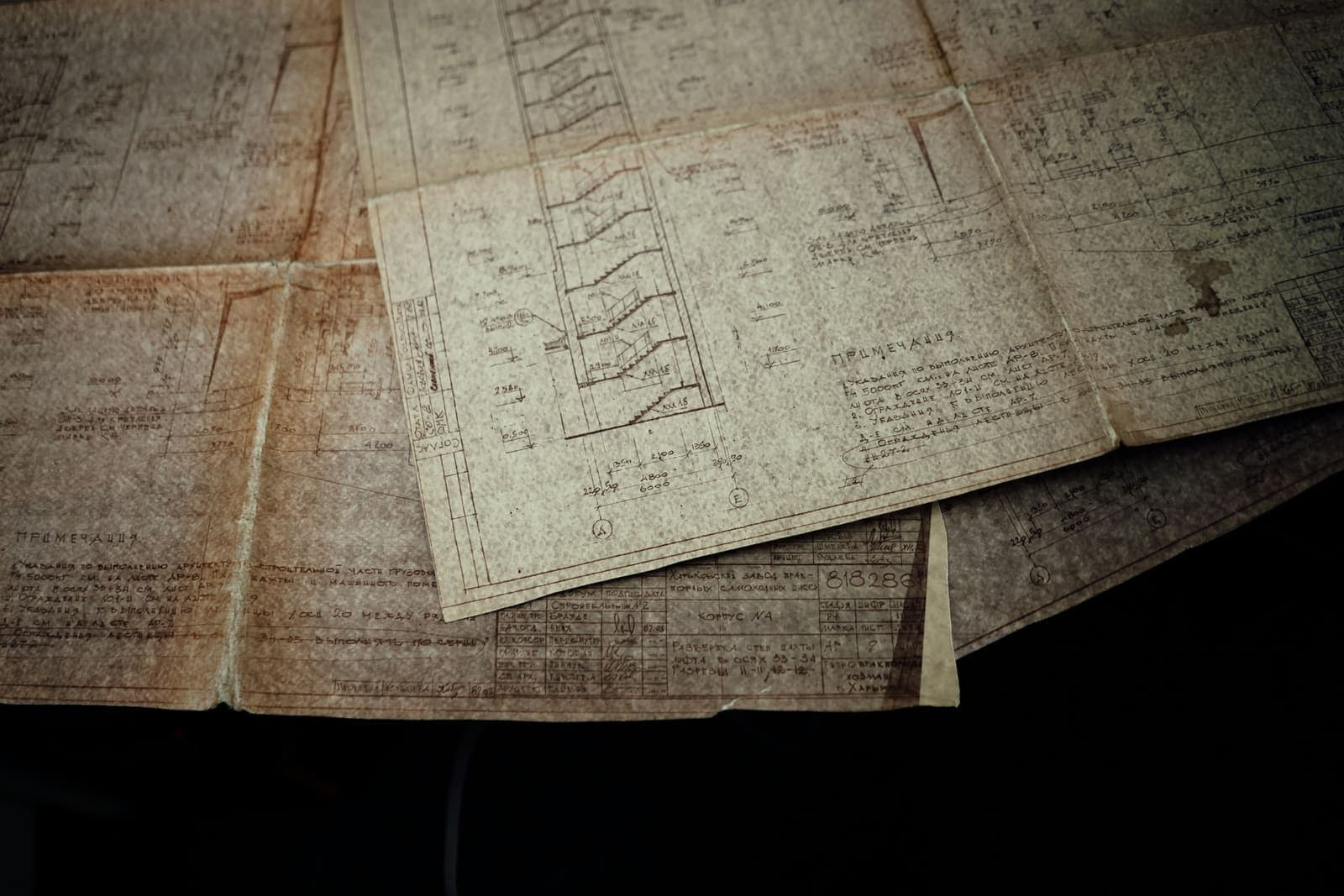
CAD conversion turns paper drawings, scans and PDFs into editable CAD files. Here is how it works, when it is worth doing, and how to make sure the result can be trusted.
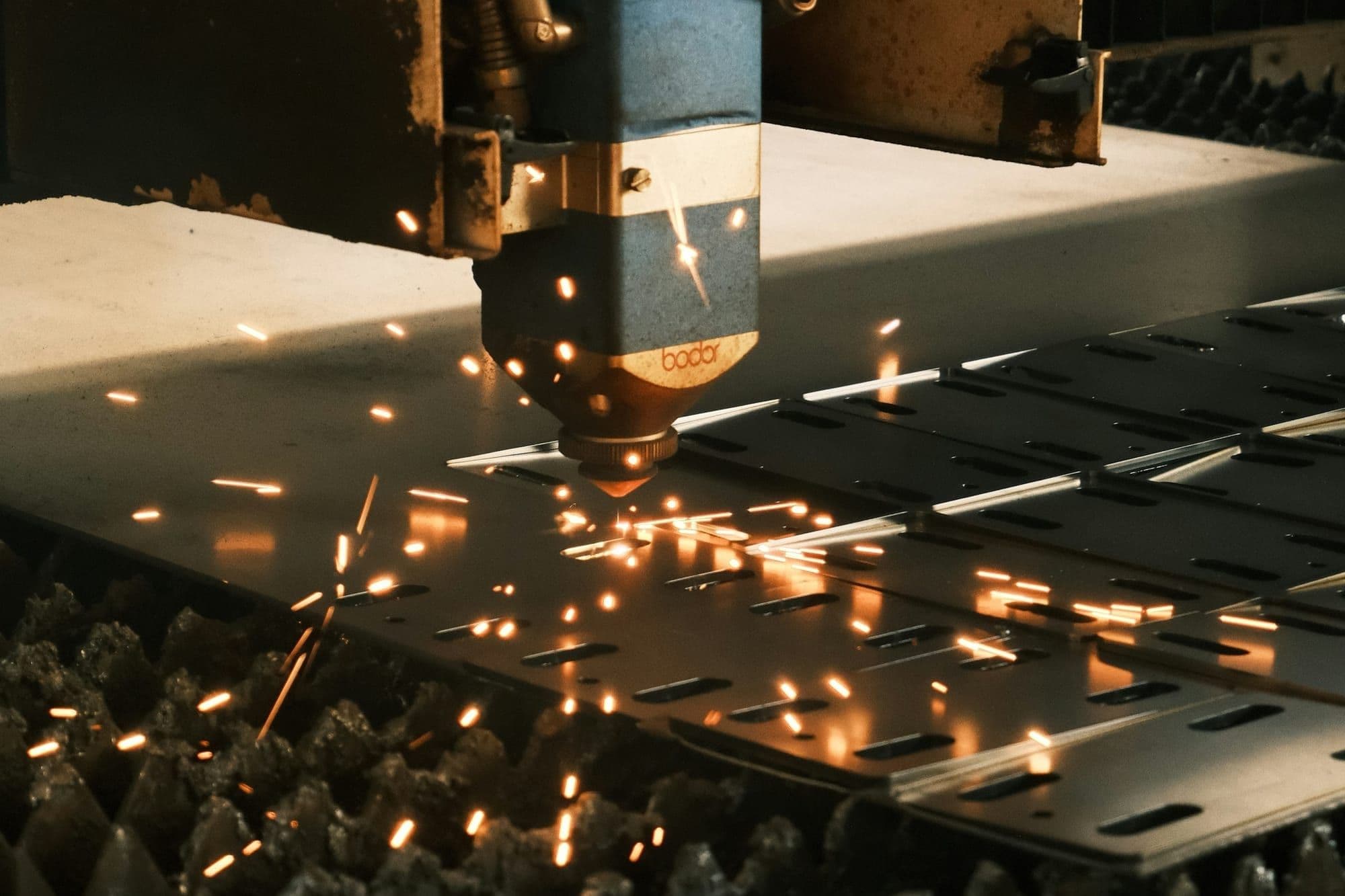
Tight tolerances on a laser-cut part are usually free in CAD and expensive on the shop floor. Here is where they actually matter, and where they quietly add cost.
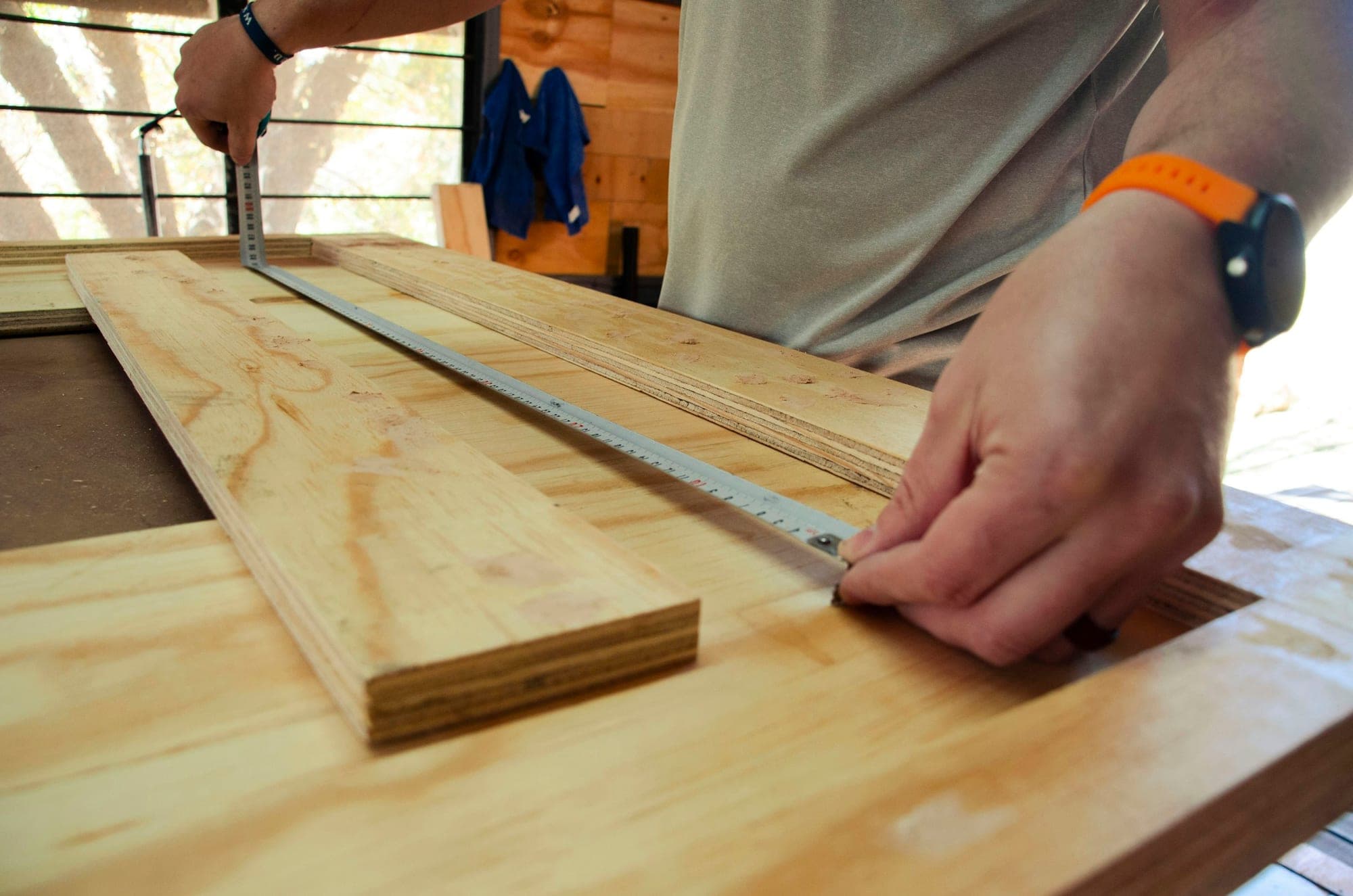
Beautiful renders do not help the person on site at 7am. These are the dimensions and details that decide whether a fit-out goes in clean.

The fear is always the same: send the work out and lose the standards, the revisions and the institutional knowledge. Here is the operating model that prevents it.
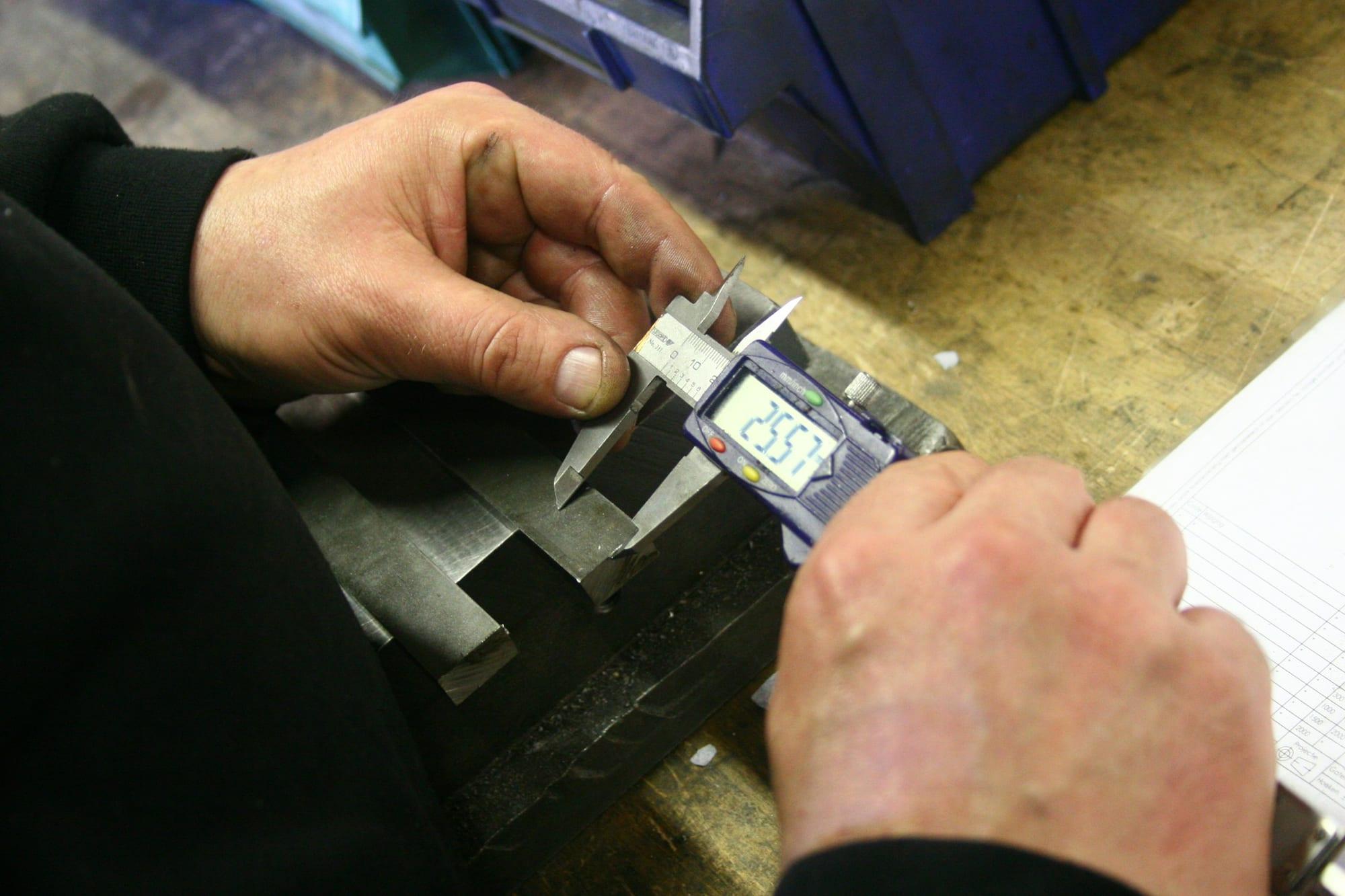
Geometric tolerancing earns its keep on four or five features per drawing. Everywhere else it is decoration that slows down inspection.
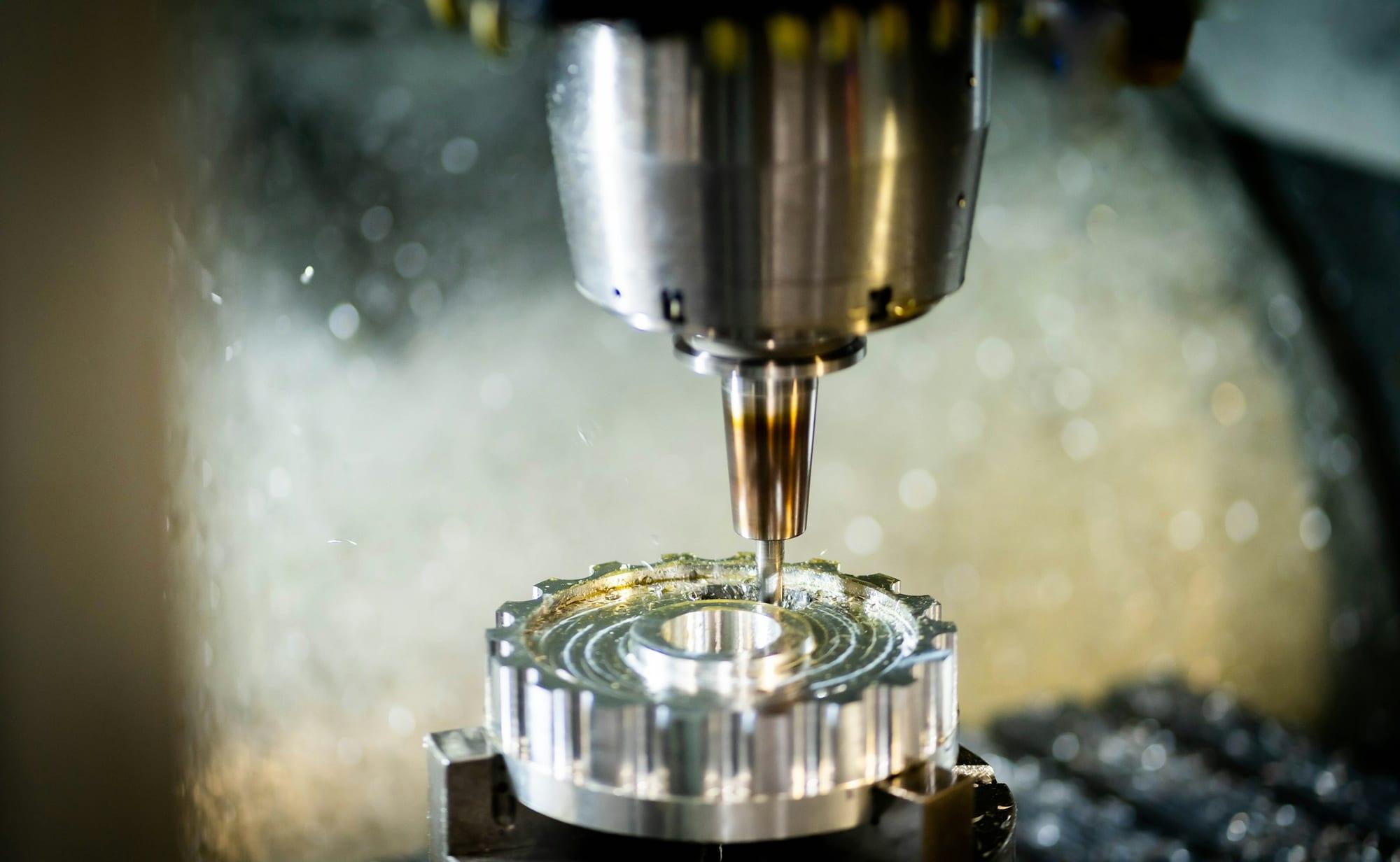
Most production programmes were written once, under deadline, and never revisited. An audit typically recovers double-digit percentages without new tooling.
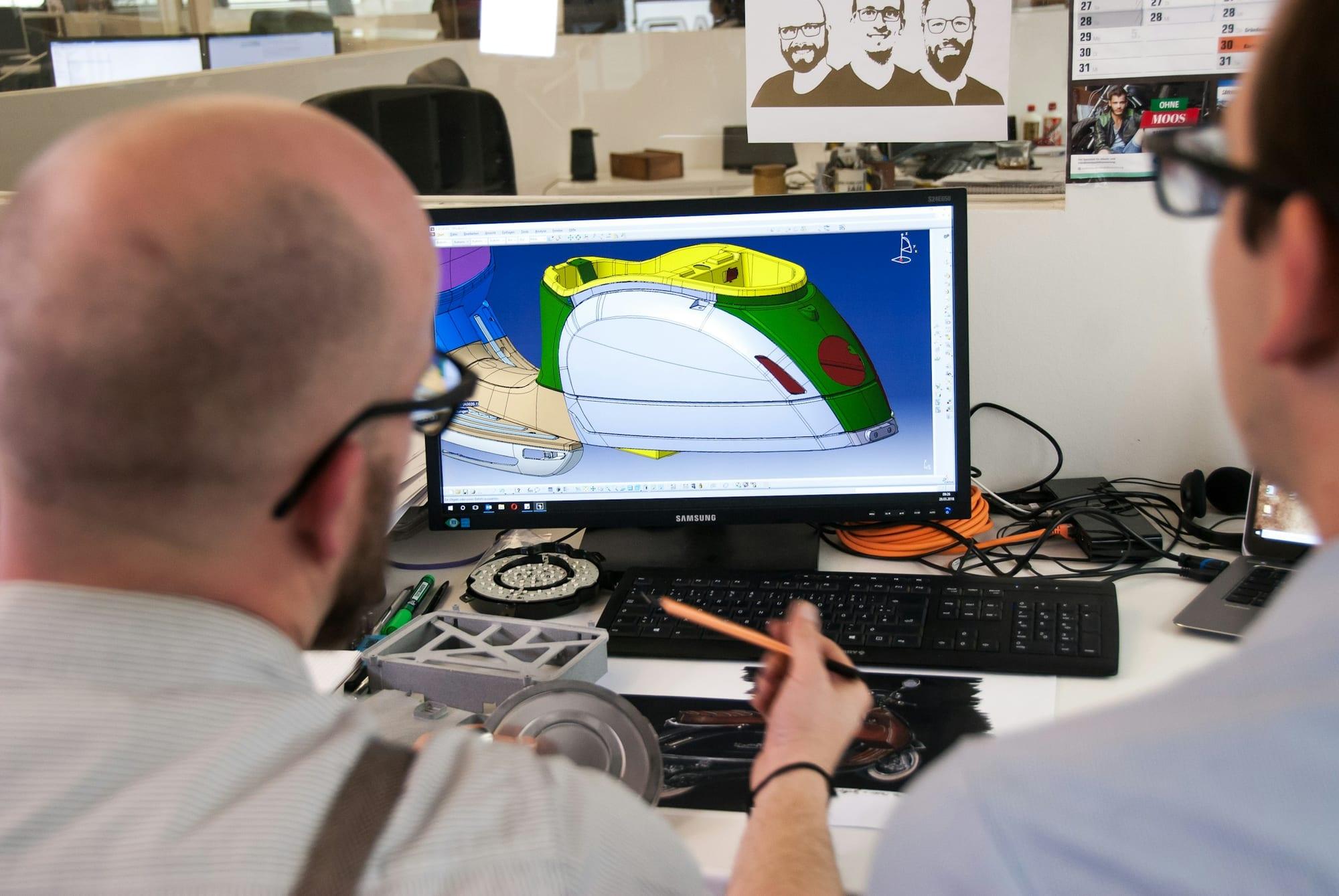
A mesh is not a model. Turning scan data into parametric CAD is where the value is, and where most reverse engineering projects stop too early.