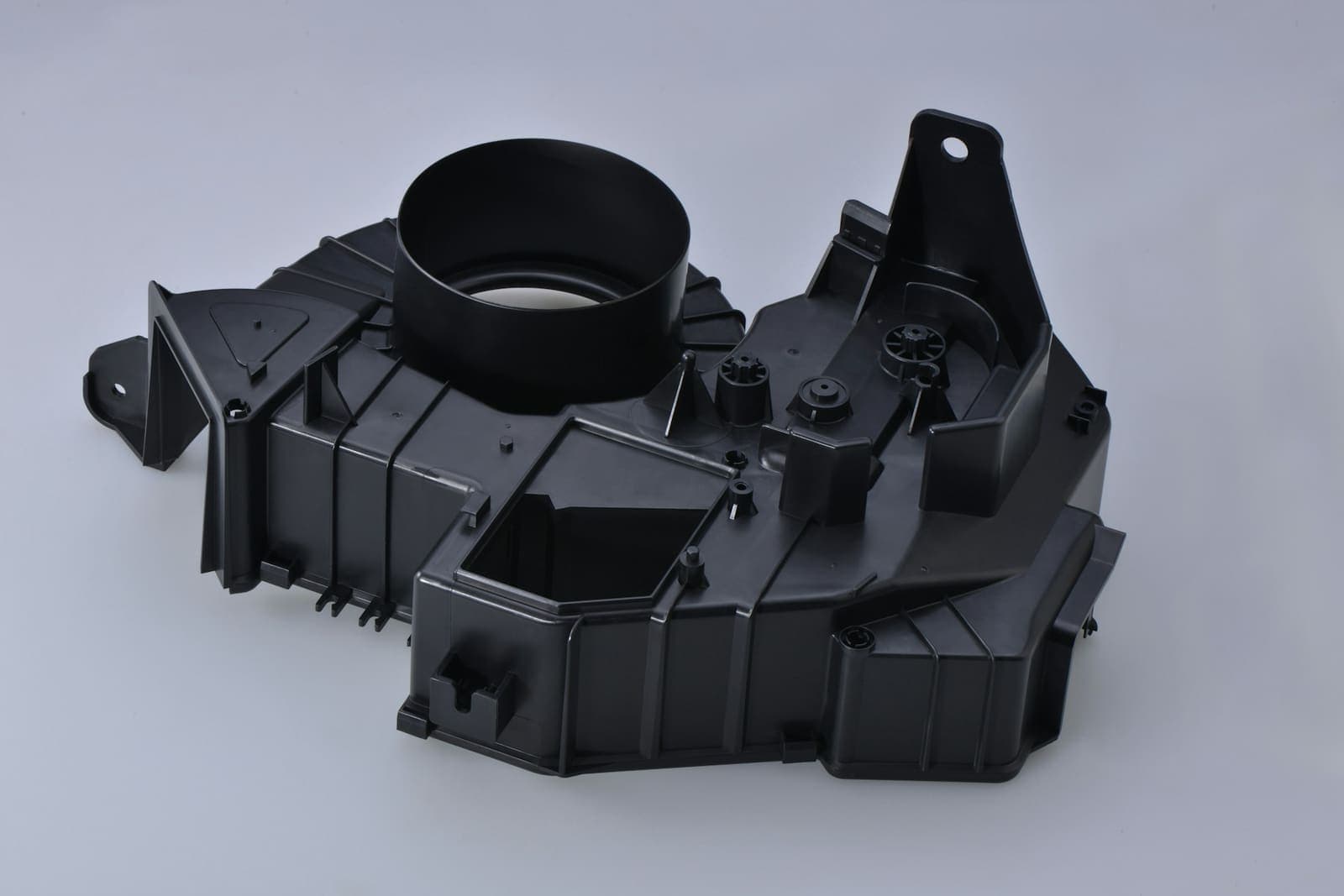
Design for manufacturing means designing a product so it is easy and affordable to make. Here are the eight benefits, and simple ways to apply DFM on your next project.
IN SHORT
- Design for manufacturing (DFM) means designing parts around the process that will make them.
- It lowers part and tooling cost, reduces late changes and speeds up production.
- The best time to apply DFM is early, before tooling is ordered.
Design for manufacturing, or DFM, is the practice of designing a product so it is easy, reliable and affordable to make. It is often paired with design for assembly (DFA), which focuses on making products quick to put together. The idea is simple: most of a product's cost is decided on the drawing board, long before it reaches the factory.
1. Lower part cost
Choosing the right material, process and features for the volume you need avoids paying for machining, finishing or tolerances the part does not need.
2. Lower tooling cost
Features such as undercuts in a moulded part or deep pockets in a machined part drive tooling complexity. Designing them out, or simplifying them, reduces tooling cost and lead time.
3. Fewer parts
Combining parts, removing fasteners and using standard components reduces the bill of materials, purchasing effort and assembly time.
4. Fewer late engineering changes
Changes are cheap in CAD and expensive once tooling exists. A DFM review before release catches problems while they still cost minutes, not weeks.
5. Faster time to market
Parts that are easy to make reach production with fewer trial runs and less rework, so launches happen sooner.
6. Better quality and consistency
Designing within the natural capability of a process means more parts come out right first time, with less inspection and scrap.
7. Easier assembly
Parts that only fit one way, self-locate and need fewer tools cut assembly time and assembly errors.
8. More supplier choice
Designs that use standard processes and tolerances can be quoted by more suppliers, which helps both price and supply security.
DFM IS NOT A FINAL CHECK. IT WORKS BEST AS PART OF THE DESIGN FROM THE FIRST CONCEPT.
How to apply DFM: practical checks
- .01Moulded parts: keep wall thickness uniform, add draft angles and avoid undercuts where possible
- .02Machined parts: avoid deep narrow pockets and sharp internal corners; use standard tool sizes
- .03Sheet metal: keep holes clear of bends and use consistent bend radii
- .04Tolerances: only tight where parts mate or function depends on it
- .05Standard parts: use catalogue fasteners and components instead of custom ones
- .06Assembly: reduce part count and design parts that only fit one way
When to do a DFM review
At concept stage, again before design release, and before tooling is ordered. Involving the people who will make the part, or an engineering partner who knows the process, makes each review faster and more useful.
Questions people ask
What is design for manufacturing (DFM)?
DFM is the practice of designing products so they are easy, reliable and affordable to manufacture, by choosing materials, features and tolerances that suit the production process.
What is the difference between DFM and DFA?
DFM focuses on making each part easy to manufacture. DFA, design for assembly, focuses on making the product quick and error-free to put together. They are often used together as DFMA.
When should DFM be applied?
As early as possible: at concept stage, again before release, and before tooling is ordered. Changes get more expensive at every step.
What are examples of DFM?
Uniform wall thickness and draft angles for moulded parts, avoiding sharp internal corners in machined parts, keeping holes away from bends in sheet metal, and using standard fasteners.